
Ohio bankers push back as credit union deal tests state law.
A proposed acquisition by an out-of-state credit union has set off a legal and political fight over who is allowed to own banks in Ohio.
The prospect of a credit union acquiring an Ohio-chartered bank is drawing sharp opposition from the state’s banking industry, setting up a potential legal battle over the boundaries of state law and the growing reach of tax-exempt financial institutions.
The Ohio Bankers League said it is prepared to challenge the transaction “using all available tools,” including regulatory action, legislation and, if necessary, litigation. The group’s stance follows last week’s announcement that Interra Credit Union, based in Goshen, Ind., had reached an agreement to acquire The Hicksville Bank, a small lender in northwest Ohio.
The deal, which remains subject to regulatory approval, has become a flashpoint in a broader debate over whether credit unions — which are exempt from federal income taxes — should be permitted to expand through bank acquisitions.
“This is a defining moment for Ohio’s banking system,” Michael Adelman, president and chief executive of the Ohio Bankers League, said in a statement. “We will use every tool available to ensure the law is followed and to prevent a precedent that undermines fair competition and the state’s tax base.”
At the center of the dispute is how Ohio law defines eligible buyers of state-chartered banks. The bankers group argues that the statutory framework limits acquisitions to other banks and FDIC-insured institutions, excluding credit unions. The organization said its legal analysis aligns with actions taken in other states that have blocked similar transactions.
Story continued below…
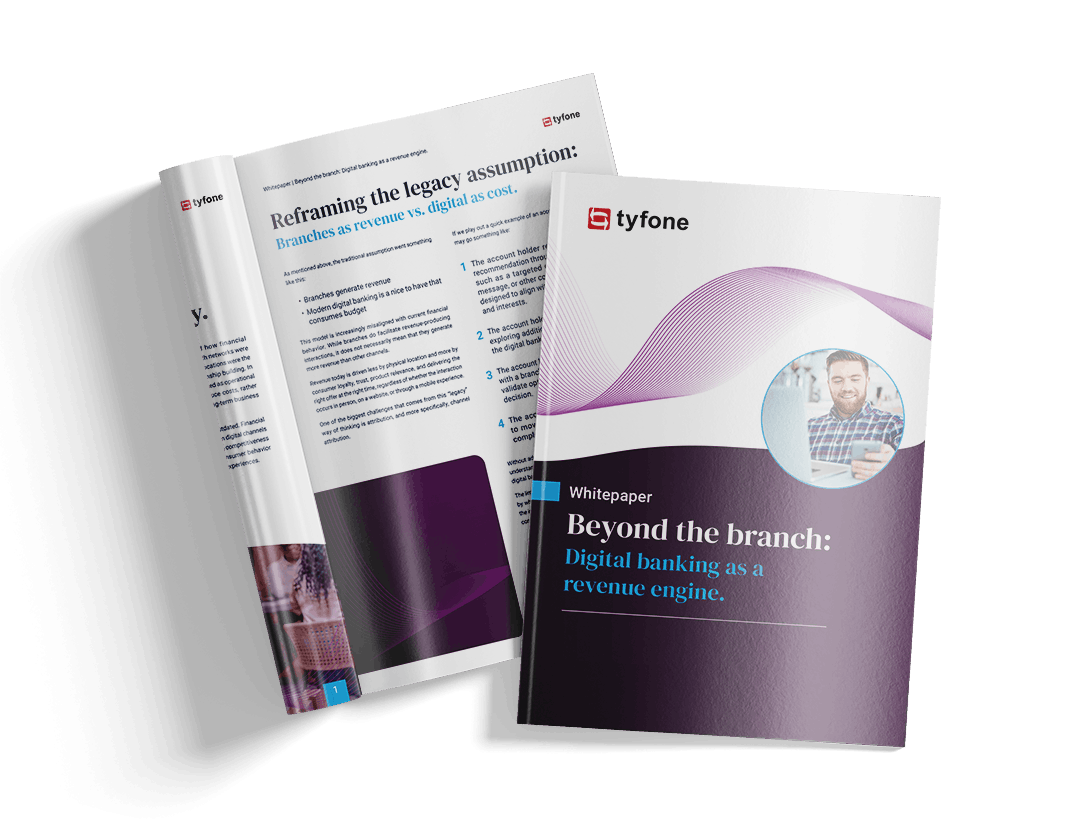
FREE WHITEPAPER
Beyond the branch: Digital banking as a revenue engine.
For decades, financial institutions have treated digital banking as a cost center while branches were seen as the primary drivers of revenue. But with consumer behavior shifting toward digital-first interactions, this traditional mindset is no longer enough.
Read our exclusive whitepaper and explore how modern digital banking platforms can become strategic engines for growth, engagement, and measurable revenue.
Tony Davis, chairman of the Ohio Bankers League and an executive at Peoples State Bank, framed the issue as one of competitive fairness. “Our members compete every day while paying taxes and supporting their communities,” he said. “Allowing tax-exempt institutions to acquire those banks is fundamentally unfair and cannot stand.”
Beyond the legal argument, bankers are raising concerns about the financial implications. The league estimates that Ohio already forgoes about $20 million annually in tax revenue tied to the credit union exemption. It contends that each bank acquisition by a credit union removes a taxable institution from the system, potentially compounding that loss.
The proposed Interra-Hicksville deal reflects a broader trend. Credit unions have increasingly pursued bank acquisitions as a way to expand lending capacity, enter new markets and grow commercial operations. According to S&P Global Market Intelligence, 16 such transactions were announced in 2025, down slightly from a record 22 in 2024. The current year has already seen four deals announced, including the Ohio transaction.
For now, regulators will determine whether the deal can proceed under existing law. If approved, it could set a precedent in Ohio and beyond. If denied — or challenged successfully in court — it may reinforce limits on how credit unions expand.
Either way, the outcome is likely to shape the competitive landscape between banks and credit unions in the state, and signal how far the industry’s consolidation trends can extend.
“This is a defining moment for Ohio’s banking system.”
– Michael Adelman
President & CEO
Ohio Bankers League
Ken McCarthy is manager of marketing communications at Tyfone, where he monitors the credit union industry and contributes to conversations shaping its future. He previously covered credit unions and community banking for American Banker and S&P Global Market Intelligence. He holds a journalism degree from Point Park University and has more than 15 years of experience covering financial services. He is also the author of three literary fiction novels.