
Housing market enters 2026 under strain as rates, prices and mixed signals weigh on buyers.
High mortgage costs and limited affordability have pushed housing into a downturn, even as recent data hints at tentative buyer interest.
As the U.S. economy moves into 2026, the housing market stands out as one of its clearest weak points, strained by elevated prices and persistently high mortgage rates, according to Curt Long, chief economist at America’s Credit Unions.
“There’s plenty of debate these days about macroeconomic conditions, and there are plenty of contradictions,” Long said. “The job market seems soft, but unemployment is still low. Consumer sentiment is poor, but households are still spending.” Housing, he added, is one of the few sectors where the outlook is unambiguous: “The picture there is not good.”
Long described housing as being in a recession, with home sales down roughly 20% from pre-pandemic levels. Residential construction has slowed, and employment in homebuilding has shown no growth, underscoring how deeply higher borrowing costs have cooled activity.
Credit union lending data reflects the uneven landscape.
Total loans outstanding at credit unions rose just 0.24% in October, slowing from a 0.54% increase in September, according to America’s Credit Unions’ Monthly Credit Union Estimates based on Equifax Analytics data. The modest growth followed a slight decline in October 2024.
Story continued below…
FREE PAMPHLET
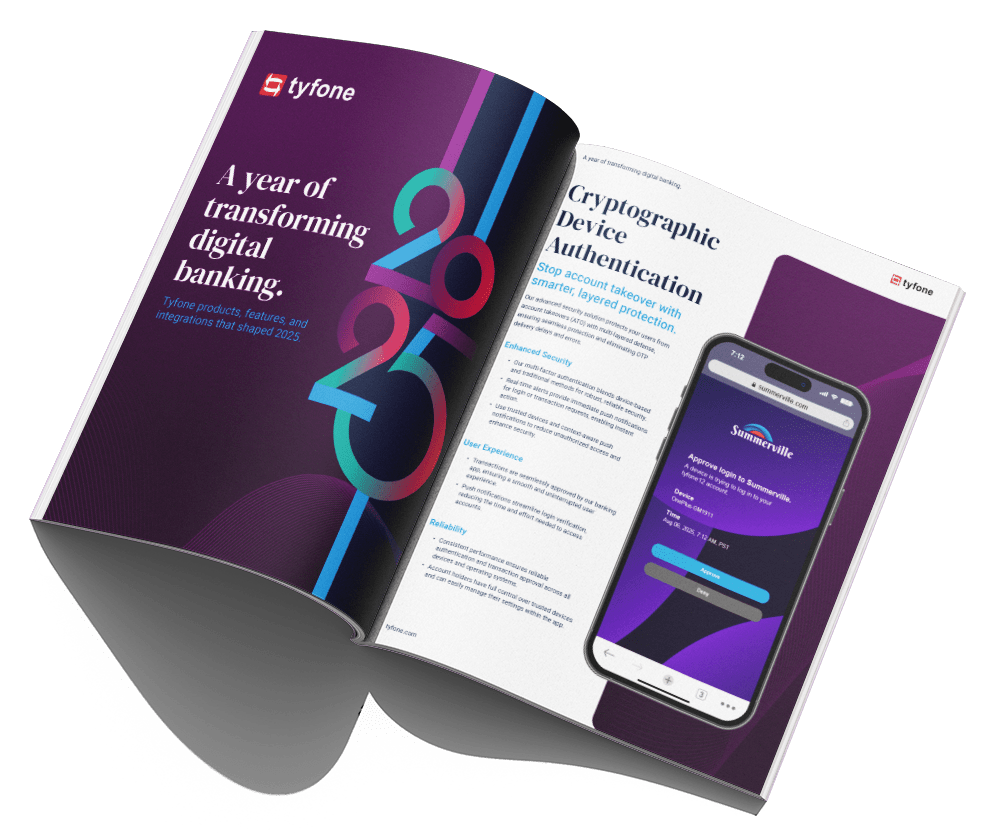
A year of transforming digital banking.
2025 was a milestone year for Tyfone’s digital banking platform. With major product launches, expanded integrations and strategic partnerships, we introduced updates that make banking easier and more seamless.
Download our pamphlet to explore the breakthroughs that shaped the year and set the stage for what’s coming next.
Borrowers appeared to lean on housing-related credit where possible. Home equity lines of credit led loan growth at 1.45%, followed by second mortgages at 0.88%. First mortgages grew more modestly, up 0.26%. Unsecured personal loans, private student loans and credit cards also posted small gains, while auto loans and secured personal loans declined.
At the same time, fresh data from the National Association of Realtors offered a more nuanced picture. Pending home sales rose 3.3% in November from the prior month and were up 2.6% from a year earlier, with gains reported across all regions of the country.
“Homebuyer momentum is building,” said Lawrence Yun, the association’s chief economist, citing improving affordability driven by easing mortgage rates, wage growth outpacing home prices and increased inventory compared with last year.
Still, expectations remain cautious. A November survey showed that 22% of Realtors anticipate an increase in buyer traffic over the next three months, up from October but below year-ago levels. For sellers, optimism was similarly muted.
Together, the data suggest a housing market under pressure, with tentative signs of stabilization, but far from a robust recovery as 2026 approaches.
“One of the few places in the economy we can speak about definitively is housing, and the picture there is not good.”
– Curt Long
Chief Economist
America’s Credit Unions