Credit unions head to Capitol Hill to defend military families and the cooperative model.

Next week, credit union leaders from across the country will arrive in Washington, D.C. with something powerful in hand: real stories from real communities. We’re coming to listen, to learn, and to advocate—because policy decisions made inside the Capitol can either strengthen or strain our ability to serve the people who serve our nation.
As Chief Advocacy Officer for the Defense Credit Union Council, I’m energized for our annual Defense Matters event on Tuesday, March 3, 2026. It’s a focused, high-impact advocacy gathering—built to help credit union professionals stay informed, get engaged, and leave ready to take action for their members.
But my bigger message—especially for the leaders and staff reading this—is simple: advocacy is not a once-a-year trip. And it’s not “someone else’s” job.
Advocacy is part of every credit union role—whether you greet members as a teller, answer questions in a call center, underwrite a loan, manage risk, or lead from the CEO’s office. When you help a young servicemember build credit for the first time, or guide a Guard family through financial uncertainty, you are already doing the work policymakers need to understand. Our job in Washington is to translate that daily work into legislative clarity: Here is what’s happening at home, and here is what we need from you to keep serving well.
That’s why I’m thrilled to welcome advocates to Defense Matters at the Marriott Marquis. The agenda is designed to get us “mission ready” for congressional conversations: we’ll hear from leaders and experts on issues that are moving right now, including on interchange and Durbin–Marshall update and a “View from Capitol Hill” discussion with Congressman Mike Haridopolos. We’ll also hear from Brigadier General Enoch “Woody” Woodhouse, a Tuskegee Airman and Air Force veteran, and from General (ret.) Thomas A. Bussiere in a featured session titled “The WATCH.”
Then comes the part that matters most: showing up for Hill meetings.
If you’ve never walked into a congressional office before, here’s what I want you to know. First, meetings don’t always happen with the member of Congress—and that’s normal. Members often rely heavily on staff, and the staff you meet with can be the person shaping the memo your lawmaker reads before a vote. Your job is to be credible, concise, and helpful. Second, schedules shift constantly in Washington; flexibility is part of the process. Finally, the most effective advocates don’t just “talk”—they connect. You’re not there to win an argument. You’re there to build a working relationship based on trust and local impact.
What should you say? Start with a story—then make a clear ask.
Here are three concrete, DCUC-aligned talking points you can bring into meetings immediately:
One, protect consumers and military families by opposing “credit card routing mandates” like the Credit Card Competition Act and Durbin–Marshall-style proposals. DCUC has been clear: expanding the Durbin framework to credit cards risks undermining security, shrinking rewards and promotions families rely on, and pushing sensitive financial data across networks consumers never chose. We’ve seen the movie before—after the original Durbin changes, credit unions lost significant revenue tied to debit transactions while promised savings often didn’t reach consumers. A straightforward ask: Please oppose efforts to advance or attach these mandates—especially to must-pass legislation.
Story continued below…
FREE CASE STUDY
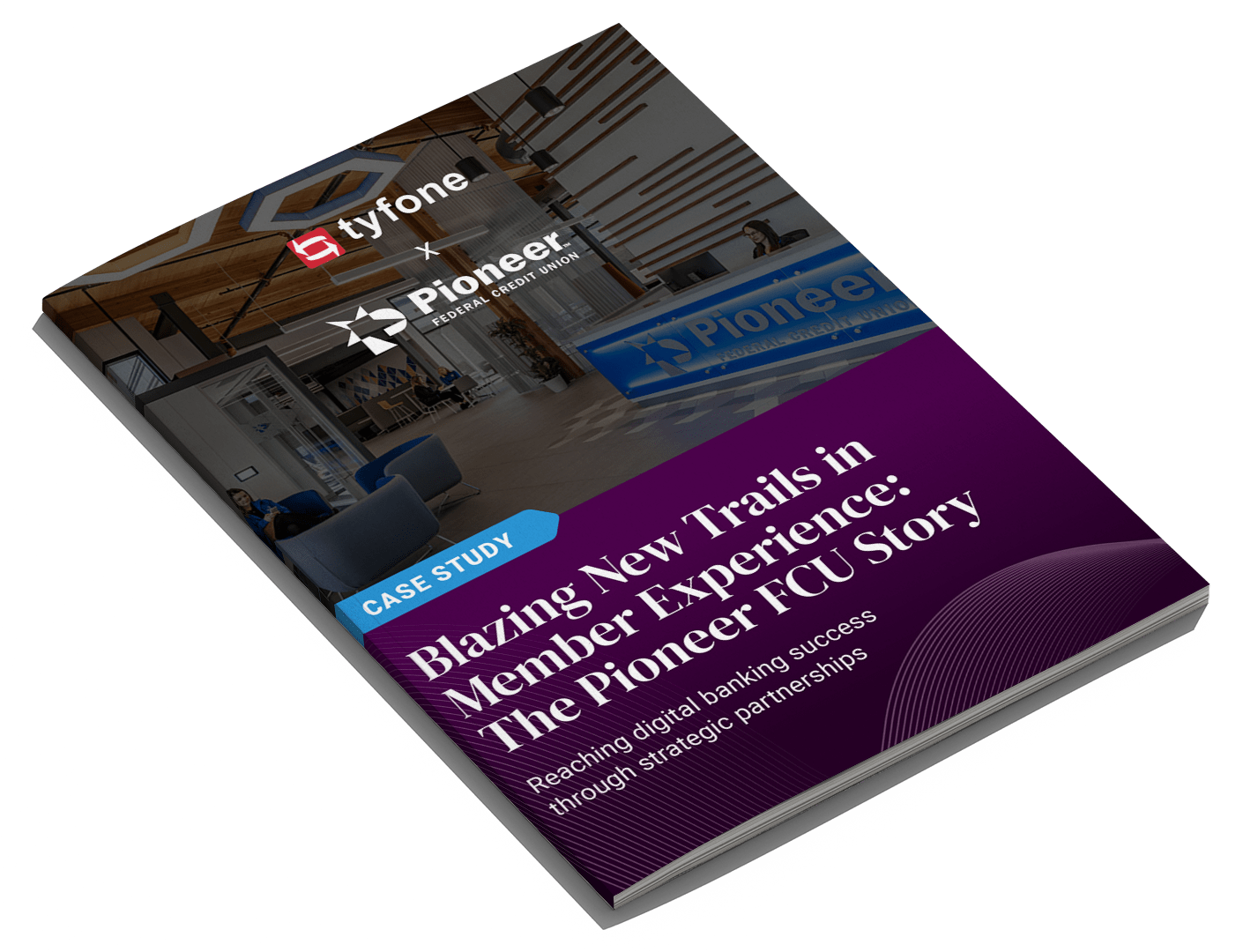
Blazing new trails in member experience: The Pioneer FCU story.
In 2021, Pioneer transitioned from their legacy system to Tyfone’s nFinia Retail Digital Banking platform to offer members an ultra-modern banking experience. This move enabled the credit union to deliver a hyper-personalized digital journey while leveraging open banking and seamless third-party integrations.
Read our exclusive case study and discover how they upgraded their digital banking experience.
Two, help veteran and military entrepreneurs access capital by supporting the Veterans Member Business Loan Act. This proposal would amend the Federal Credit Union Act to exclude certain extensions of credit to veterans and military members from the definition of a “member business loan,” giving credit unions more flexibility to meet legitimate, small-dollar business needs in the veteran community. DCUC points to evidence that veteran business owners have faced higher denial rates than non-veteran owners—despite applying for more financing. A clear ask: Support passage and help move this bill through committee and to the floor.
Three, preserve the credit union tax status. Credit unions are member-owned, not-for-profit cooperatives, and DCUC has warned that removing the tax exemption would raise costs for members and reduce access to affordable services—hitting military families particularly hard. A clear ask: Publicly oppose any effort to weaken or repeal the credit union tax exemption and recognize the community-level value credit unions return to members every day.
Preparing for meetings doesn’t require perfection—it requires intention.
Do your homework on the office (committees, priorities, district footprint). Decide who will open, who will tell the story, and who will deliver the ask. Bring a one-page leave-behind that includes: your field of membership, number of members served, a specific example of impact for servicemembers and veterans, and two or three policy asks. Practice your “two-minute version” out loud. And after the meeting, follow up quickly with a thank-you email and any promised information—because follow-up is where relationships deepen.
Now zoom out. Advocacy doesn’t end when the meetings do.
The most powerful advocacy is daily, local, and consistent: inviting a district staffer to tour your branch, highlighting your financial readiness programs, showing what you do for military spouses who are relocating, and making sure your community understands the real difference between a member-owned cooperative and other financial models. Defense Matters is a catalyst—but your ongoing engagement is what sustains change.
To the credit union champions—inside Congress, across agencies, and throughout our movement—thank you. Thank you for meeting with us, challenging us, and partnering with us. And to every credit union professional coming to Washington next week: your presence matters. Your voice matters. Your advocacy is part of the service you provide—because when we defend the ability of credit unions to serve, we defend the financial strength of the people who defend our nation.
The Defense Credit Union Council bills itself as the trusted resource for credit unions on all military and veteran matters.
Disclaimer
The views, opinions, and perspectives expressed in articles and other content published on this website are those of the respective authors and do NOT necessarily reflect the views or official policies of Tyfone and affiliates. While we strive to provide a platform for open dialogue and a range of perspectives, we do NOT endorse or subscribe to any specific viewpoints presented by individual contributors. Readers are encouraged to consider these viewpoints as personal opinions and conduct their own research when forming conclusions. We welcome a rich exchange of ideas and invite op-ed contributions that foster thoughtful discussion.