
DCUC pushes for credit union parity in digital asset bill.
The trade group says Congress must ensure credit unions can compete alongside banks as lawmakers finalize legislation to regulate digital assets.
As Congress moves closer to establishing a federal framework for digital assets, the Defense Credit Union Council is urging lawmakers to ensure credit unions are not left at a competitive disadvantage.
In a letter submitted ahead of a House Financial Services Subcommittee hearing Thursday in New York, the trade association called on lawmakers to preserve and strengthen provisions in the Digital Asset Market Clarity Act that would explicitly authorize credit unions to offer digital asset services while giving them equal footing with banks.
The letter was sent to Rep. Bryan Steil, chairman of the House Financial Services Subcommittee on Digital Assets, Financial Technology and Artificial Intelligence, and Rep. Stephen F. Lynch, the panel’s ranking member, for inclusion in the hearing record.
At the center of DCUC’s request is what it describes as regulatory parity. While the Senate version of H.R. 3633 would expressly permit federal credit unions to use digital assets and distributed ledger technology to provide otherwise authorized financial services, the organization argues that additional changes are needed before the legislation becomes law.
“Congress has an opportunity to establish rules that protect consumers while preserving competition, choice, and responsible innovation,” Anthony Hernandez, DCUC’s president and chief executive officer, said in a statement.
DCUC, which represents more than 200 defense-affiliated credit unions serving more than 40 million members worldwide, said military families, veterans and active-duty servicemembers should be able to access digital asset services through the same member-owned institutions they already use for deposits, lending and financial guidance.
Story continued below…
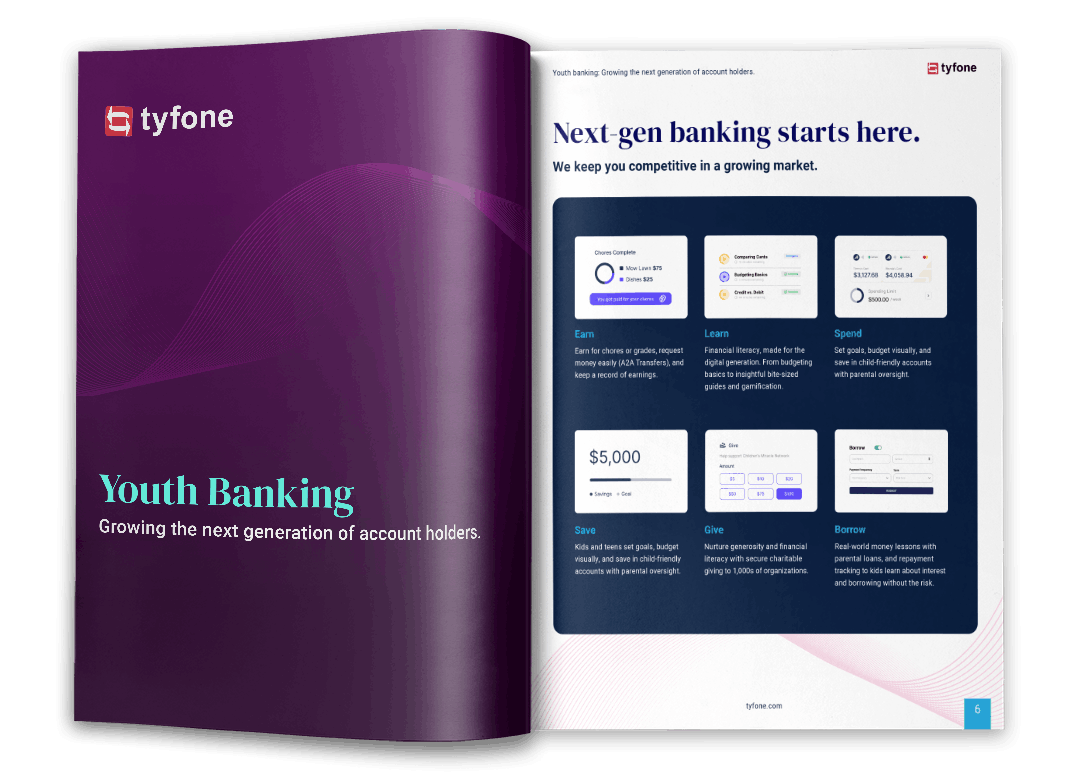
FREE PAMPHLET
Youth banking: Growing the next generation of account holders.
Financial habits are formed early, but most financial tools are designed for adults. As a result, families often rely on cash, shared cards, or disconnected apps to teach money management, making it difficult to balance independence with oversight.
At the same time, younger generations expect intuitive digital experiences, creating a gap between how they interact with money and how financial services are delivered. Financial institutions need age-appropriate solutions that engage younger account holders while supporting parents and caregivers.
Nationwide, federally insured credit unions serve approximately 145.8 million members.
The organization’s recommendations go beyond simply authorizing digital asset activities. DCUC is asking Congress to explicitly designate the National Credit Union Administration as the primary federal regulator for federally insured credit unions participating in the digital asset marketplace. It also wants lawmakers to recognize credit union service organizations, or CUSOs, as eligible participants in providing custody, settlement, compliance and other digital asset services.
“Permission on paper must become access in practice,” Jason Stverak, DCUC’s chief advocacy officer, said in a statement. “Credit unions are not asking for preferential treatment. We are asking Congress to ensure genuine regulatory parity.”
The group also urged lawmakers to establish custody standards requiring digital assets to be segregated and protected through cybersecurity, reconciliation and recovery controls while making clear to consumers that digital assets are not federally insured credit union shares.
In addition, DCUC called for compliance requirements that reflect the size and complexity of individual institutions rather than imposing uniform standards across the industry. The letter recommends allowing 18 to 24 months after final regulations are issued for implementation, along with examiner training, technical assistance and regulatory safe harbors during the transition.
Another priority is access to digital payment infrastructure. The organization argues that similarly situated credit unions should be able to participate in tokenized payment and settlement networks under terms comparable to banks and should be included in federal innovation programs and regulatory sandboxes.
The letter also addresses the unique needs of military communities, arguing that digital financial services have become increasingly important for members who are frequently deployed, relocate often or live far from physical branches.
“Financial readiness is inseparable from mission readiness,” Hernandez said. “As financial services evolve, military and veteran families deserve access to modern tools delivered with strong safeguards, clear disclosures, and the personal support credit unions are known for.”
DCUC said it plans to continue working with Congress, the NCUA, state regulators and other federal agencies as lawmakers refine the legislation. The organization said its goal is a regulatory framework that protects consumers while allowing credit unions and other financial institutions to compete under what it described as clear and equivalent standards.
“The future of finance cannot be reserved for the largest banks and technology platforms.”
– Anthony Hernandez
President & CEO
DCUC
Ken McCarthy is manager of marketing communications at Tyfone, where he monitors the credit union industry and contributes to conversations shaping its future. He previously covered credit unions and community banking for American Banker and S&P Global Market Intelligence. He holds a journalism degree from Point Park University and has more than 15 years of experience covering financial services. He is also the author of three literary fiction novels.