
A credit union becomes a ‘bank,’ underscoring a Canadian twist on an American rivalry.
First West Credit Union’s rebranding as Tru Cooperative Bank highlights a growing divergence in how the two countries approach competition between banks and credit unions.
In a move that would likely provoke controversy in the United States, a Canadian credit union has not only adopted a federal charter but also embraced a name that includes one of the most contested words in American finance: bank.
First West Credit Union, based in Langley, British Columbia, announced April 1 that it has completed its transition to a federally regulated institution and will now operate as Tru Cooperative Bank. The change places the member-owned cooperative under Canada’s federal banking framework and allows it to expand operations nationwide.
For American bankers and credit union executives, the development may seem striking.
In the United States, the use of the word “bank” by credit unions has long been a flashpoint in an ongoing dispute between the industries, with banks arguing that such terminology is misleading and credit unions defending their right to compete more broadly.
In Canada, however, the regulatory structure has created space for a different approach.
With its federal continuance complete, Tru Cooperative Bank is now overseen by the Office of the Superintendent of Financial Institutions, shifting from provincial supervision by the BC Financial Services Authority. The transition was formalized through federal approval under the Bank Act, marking the institution as one of a small but growing group of credit unions operating on a national basis.
Story continued below…
FREE CASE STUDY
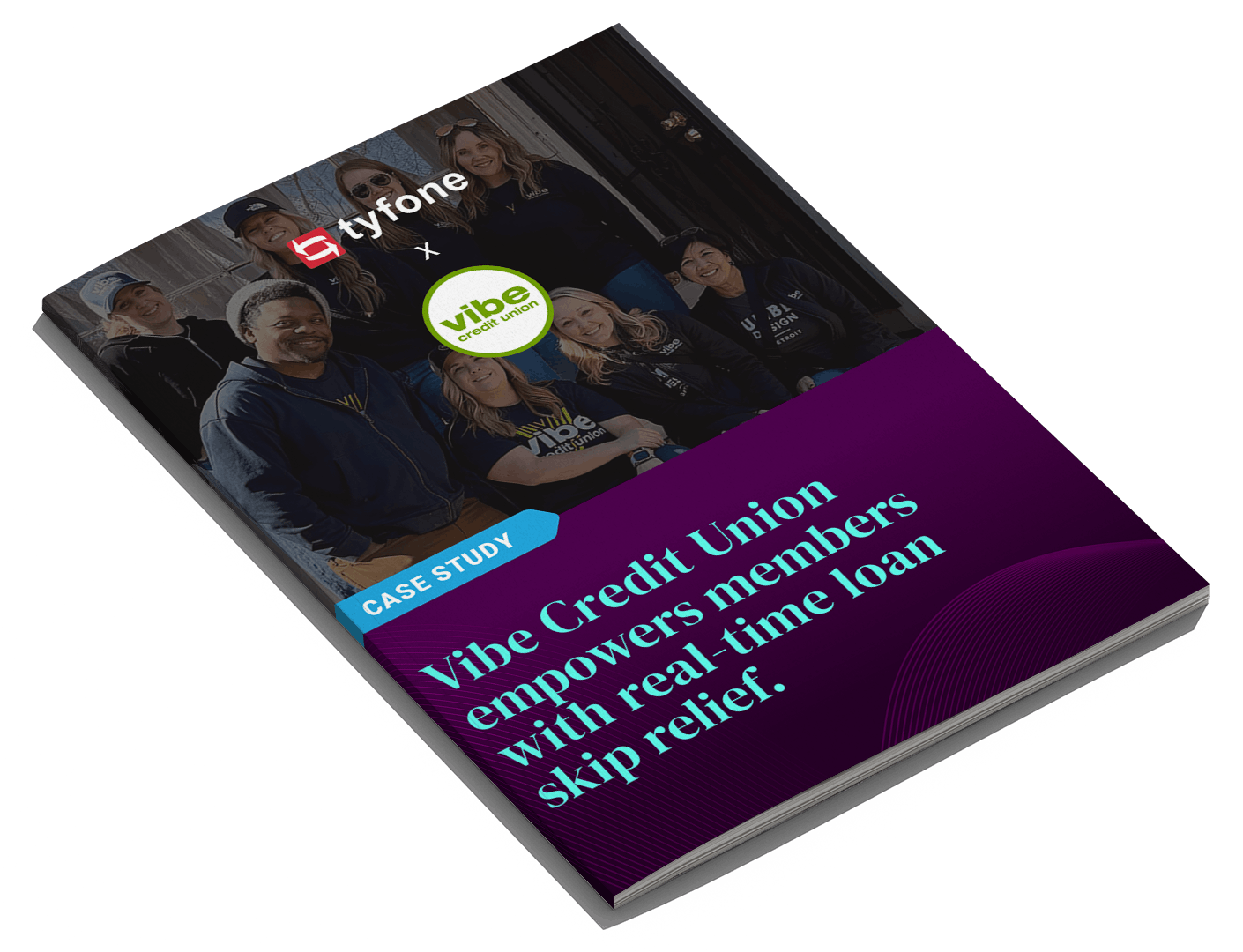
Vibe Credit Union empowers members with real-time loan skip relief.
To meet growing demand for faster, more convenient digital options, Vibe partnered with Tyfone to implement a Skip-A-Pay solution. Members can skip eligible loans online, while staff can assist those who prefer to call or visit branches using the same system. The result is a self-service loan skip program that supports members year-round, improves internal efficiency, and has generated over $100,000 in annual revenue without impacting credit scores.
Read our exclusive case study and learn how they elevated their digital banking and loan servicing experience.
“Becoming federally regulated is about being ready for what our members need next,” said CEO Launi Skinner. “As Tru Cooperative Bank, we can deliver the stability and sophistication Canadians expect from a leading bank, while deepening the personalized advice, local decision-making and member-first focus that define our cooperative. Canadians shouldn’t have to choose between scale and service, or digital convenience and personalized advice that’s truly in their interest.”
The new name is intended to signal both continuity and ambition. Executives describe it as a way to retain cooperative roots while positioning the organization as a credible alternative to larger banks, capable of offering comparable services without abandoning its member-owned structure.
Federal status also unlocks new strategic opportunities. The institution plans to support members with out-of-province financial needs, pursue mergers with like-minded credit unions and expand its mortgage offerings digitally across Canada.
“Becoming a federal credit union is a defining moment for our organization and for cooperative banking in Canada,” said Shawn Neumann, Board Chair of Tru Cooperative Bank. “It reflects the responsibility we carry to offer Canadians a genuine alternative in financial services: one that combines strength and sophistication with trust, participation and purpose.”
The transition was backed by strong member support, with 84% approving the initial move toward federal status in 2021 and 87% endorsing the name change earlier this year.
Despite the rebranding, the institution will continue operating under its established regional divisions — Envision Financial, Island Savings, Valley First and Enderby & District Financial — maintaining its existing branch network and customer relationships across British Columbia.
The move also changes how deposits are insured. Coverage shifts from a provincial system to the Canada Deposit Insurance Corporation, aligning the institution more closely with federally regulated banks.
For U.S. observers, the development highlights a notable divergence. While American credit unions and banks continue to spar over identity, taxation and terminology, Canadian institutions are increasingly blurring those lines — not just in services, but in name.
“Becoming federally regulated is about being ready for what our members need next.”
– Launi Skinner
CEO
Tru Cooperative Bank
Ken McCarthy is manager of marketing communications at Tyfone, where he monitors the credit union industry and contributes to conversations shaping its future. He previously covered credit unions and community banking for American Banker and S&P Global Market Intelligence. He holds a journalism degree from Point Park University and has more than 15 years of experience covering financial services. He is also the author of three literary fiction novels.