
The scale imperative: Who has the retail deposits needed for community bank success?

The traditional financial industry is facing a quiet, steady drain of its lifeblood. While the “unbanked” population is shrinking, the “loyalty” of the modern consumer is fragmenting. Millennials and Gen Z—the oldest of whom are now 45—are systematically moving their balances away from traditional institutions toward “cool” digital tools and high-yield platforms like Rocket or SoFi. Even loyal Gen X customers are increasingly treating their primary bank accounts as “paycheck motels”, a term coined by Ron Shevlin of Cornerstone Advisors, quickly routing funds to wherever they earn the most.
To survive this shift, banks don’t just need better apps; they need scale.
The Untapped Reservoir of Retail Funding
Many banks have pivoted toward business banking to find higher balances and margins, but the foundation of a community bank’s funding remains retail deposits. Interestingly, the most robust retail deposit bases are currently locked inside credit unions—institutions that are struggling with their own scale issues and merging at a similar clip to banks.
While credit unions buying banks have dominated the headlines and trade group lobbying, it is time for the industry to flip the script. Banks can—and should—buy credit unions.
Industry Interest
I recently sat on an ABA panel at the recent ABA Washington Summit about this very issue. Joining me were industry experts on such transactions from law firm Luse Gorman and the ABA, moderated by Dave Daraio of Maspeth Federal Savings and Loan Association in Queens. The message: let’s pivot from lobbying against CU-bank deals to executing our own. It can be done.
Why should it be done? Because it doubles the potential partners that can bring scale, stable funding, and a proven niche to those seeking partnership. In terms of being target rich, I searched the state of Massachusetts, my firm’s home state, for banks AND credit unions between $100 million and $1 billion in total assets. There were 39 banks. There were 44 credit unions.
Story continued below…
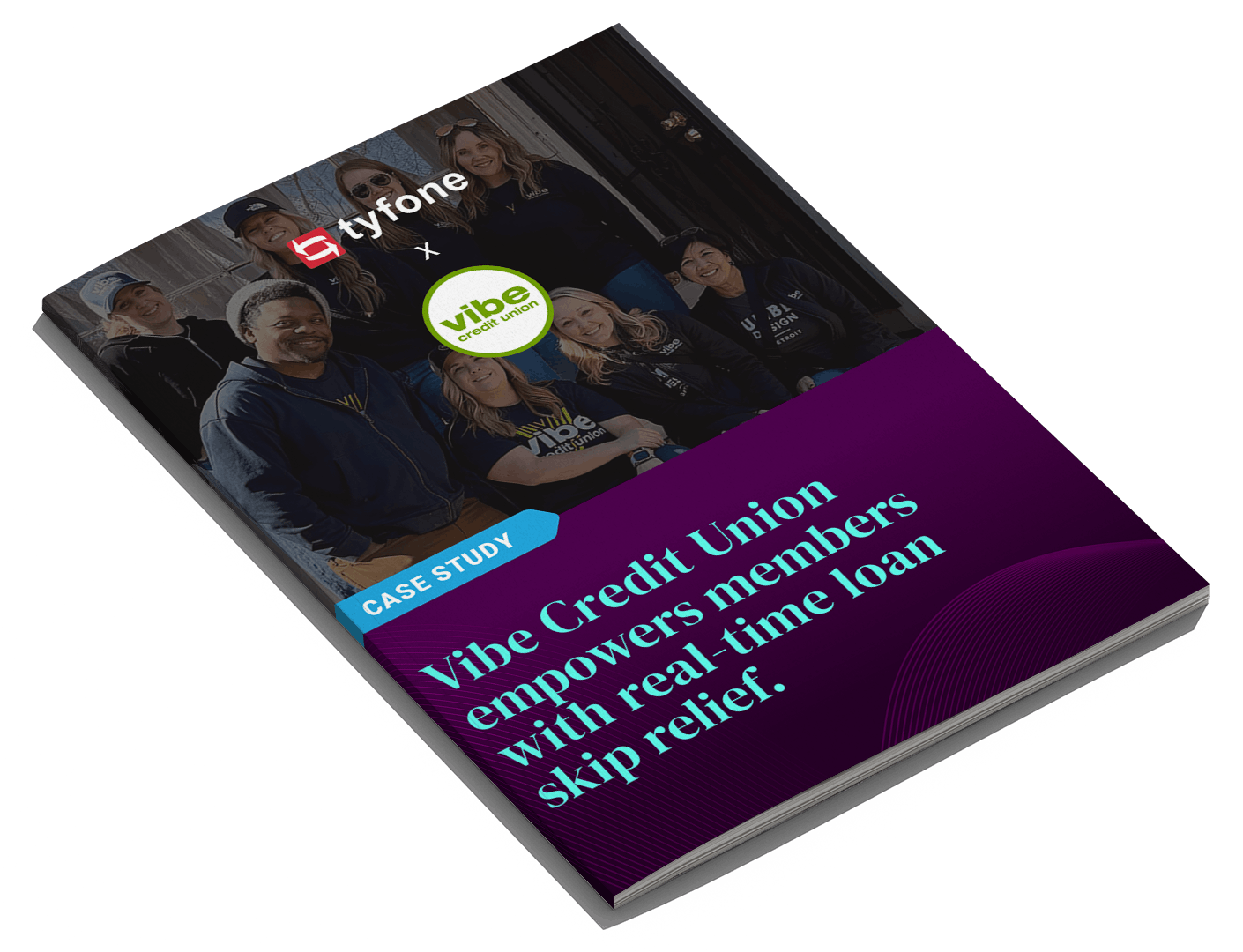
FREE CASE STUDY
Vibe Credit Union empowers members with real-time loan skip relief.
To meet growing demand for faster, more convenient digital options, Vibe partnered with Tyfone to implement a Skip-A-Pay solution. Members can skip eligible loans online, while staff can assist those who prefer to call or visit branches using the same system. The result is a self-service loan skip program that supports members year-round, improves internal efficiency, and has generated over $100,000 in annual revenue without impacting credit scores.
Read our exclusive case study and learn how they elevated their digital banking and loan servicing experience.
Debunking the Myths of the “Impossible” Deal
The industry has long viewed bank-on-CU acquisitions as a regulatory and accounting nightmare. And recent history is no help. But the landscape has shifted:
- The Legal Path Exists: Federal law (12 U.S.C. §1785) and NCUA regulations (12 CFR Part 708a, Subpart C) explicitly provide the roadmap for a bank to acquire the net assets of a credit union.
- Regulatory Winds are Changing: The NCUA is currently rewriting its rules to make charter conversions to mutual banks easier, and is potentially “defanging” the poison pills of the past that they have wielded to thwart bank-CU deals.
- The Efficiency Edge: Despite their tax-exempt status, credit unions are often less efficient than banks. For similarly sized institutions, banks have historically delivered better financial performance, even after paying taxes.
Overcoming the Capital Hurdle
The primary challenge is accounting. These deals are structured as asset purchases where the credit union’s value must be distributed to its members. While this can strain a buyer’s capital, it creates a unique opportunity for:
- Stock Banks: Their ability to raise fresh capital gives them an advantage in absorbing these assets.
- Larger Banks Buying Smaller CUs: When a larger bank acquires a smaller credit union, the capital contingencies become negligible, making the deal “cleaner” and faster to execute.
- Member-to-Mutual Deals: The NCUA would likely be friendlier toward deals where credit union members gain depositor rights in a mutual bank.
Who Will Step Up?
We are currently in a favorable regulatory environment for deal-making. And I will confess that my firm would welcome the opportunity to be at the forefront of this deal-making. More important to readers, we cannot continue to ignore the fact that our retail funding base needs a massive infusion of scale to compete with non-traditional providers while doing so profitably.
Credit unions have the deposits banks need, and many are looking for an exit due to scale or succession issues or a way to provide more flexibility to their members.
The tools are in the manual. The law is on the books. The market demand is clear.
It is time for bank leadership to stop complaining about credit union expansion and start executing their own.
Jeff Marsico is a Principal at Wolf & Company and brings decades of expertise from The Kafafian Group, which was acquired by Wolf. At The Kafafian Group, Jeff oversaw all lines of business and areas of expertise with a focus on community bank strategy, profitability, and financial advisory.
He has facilitated hundreds of strategic development engagements for community banks, resulting in documented, strategic plans that guide client employees and improve performance. Jeff has also negotiated, analyzed, and advised boards of directors on whole bank, branch, and fee-based business acquisitions, leading to successful transactions totaling more than $4 billion in value.
Disclaimer
The views, opinions, and perspectives expressed in articles and other content published on this website are those of the respective authors and do NOT necessarily reflect the views or official policies of Tyfone and affiliates. While we strive to provide a platform for open dialogue and a range of perspectives, we do NOT endorse or subscribe to any specific viewpoints presented by individual contributors. Readers are encouraged to consider these viewpoints as personal opinions and conduct their own research when forming conclusions. We welcome a rich exchange of ideas and invite op-ed contributions that foster thoughtful discussion.