
Pennsylvania’s payment experiment could cost consumers more than they think.
Written By:

Duncan Campbell
President & CEO
Pennsylvania Bankers Association

Patrick Conway
President & CEO
CrossState Credit Union Association

Kevin Shivers
President & CEO
Pennsylvania Association of Community Bankers
A fast-tracked bill in Harrisburg could make everyday transactions more costly and complicated for consumers and small businesses.
When you tap your card to pay for groceries, fill up your gas tank, or buy lunch at a neighborhood restaurant, the transaction takes only seconds. The payment is secure, the business gets paid, and the system works seamlessly for everyone involved. That reliability isn’t an accident. It’s the result of a carefully built payments infrastructure used across the country and around the world.
Now, proposed legislation in Harrisburg threatens to disrupt that system in ways that would make everyday transactions more complicated, more expensive, and less secure for Pennsylvania consumers and small businesses.
The two proposals, H.B. 2090 and S.B. 1202, would fundamentally alter how credit and debit card transactions are processed in the Commonwealth. Versions of these bills were introduced in 26 other states or jurisdictions in 2025 and failed in every one of Them.
Specifically, the state legislation would prohibit interchange from being applied to the sales tax portion of transactions and end universal access to credit and debit cards, meaning businesses would need to negotiate hundreds of new agreements with banks around the world to accept their cards and consumers would lose the certainty that their cards will be accepted where they shop or dine.
While this may sound like a minor technical change, the practical effect would be to make Pennsylvania an outlier and risk the removal of hundreds of thousands of businesses from seamless access to the global payments network.
No jurisdiction anywhere in the world calculates credit and debit transactions the way these bills would require, and the consequences here would be far-reaching. For small businesses, compliance would likely mean fewer sales with chaos and frustration at the cash register when consumers can’t use their cards to pay tax.
Consumers would feel the impact, too. Checkout times could become longer and more cumbersome. Privacy could be reduced. Rewards programs that many families rely on – including points, airline miles, and cash-back benefits – could shrink or disappear altogether.
Story continued below…
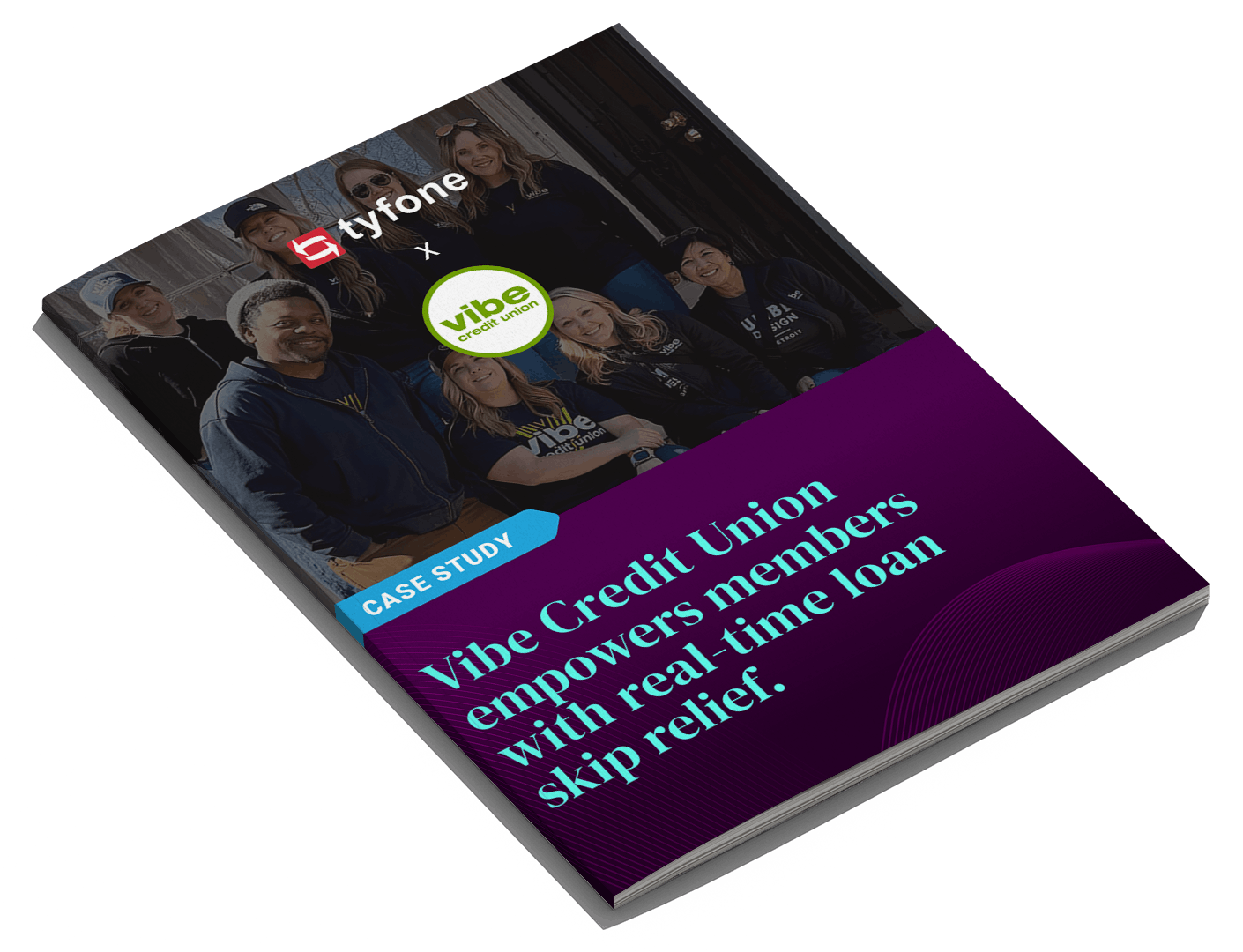
FREE CASE STUDY
Vibe Credit Union empowers members with real-time loan skip relief.
To meet growing demand for faster, more convenient digital options, Vibe partnered with Tyfone to implement a Skip-A-Pay solution. Members can skip eligible loans online, while staff can assist those who prefer to call or visit branches using the same system. The result is a self-service loan skip program that supports members year-round, improves internal efficiency, and has generated over $100,000 in annual revenue without impacting credit scores.
Read our exclusive case study and learn how they elevated their digital banking and loan servicing experience.
Interchange revenue helps fund the security and infrastructure that make electronic payments possible. It supports fraud detection, transaction processing, and the rewards programs that consumers value. Reducing that revenue inevitably means scaling back the services and benefits people have come to expect from modern payments.
The bill also risks putting Pennsylvania at a competitive disadvantage. By carving the Commonwealth out of the global payments system, the proposal could discourage investment and create uncertainty for financial institutions that serve local communities. Proponents of the measures bill them as a way to help consumers. But just the opposite is true.
By carving out Pennsylvania from the global payments network, the legislation risks siphoning investment out of local communities, raising operational costs, and making life less affordable and more inconvenient for families and small businesses.
Ironically, the entities most likely to benefit are the large corporate mega-stores that are pushing similar legislation across the country. Lawmakers in those states have rejected the measures, recognizing that allowing large retailers to avoid paying the full cost of payment processing simply shifts those costs onto consumers and smaller merchants.
Our own House and Senate should do the same and reject H.B. 2090 and S.B. 1202. Pennsylvania cannot afford the credit card chaos these untested bills will cause. The payments system Americans rely on works because it is consistent, secure, and widely accepted. Harrisburg shouldn’t turn a simple swipe of a card into a complicated transaction that would frustrate consumers and cost small businesses.
Patrick Conway is the President & CEO of CrossState Credit Union Association, representing credit unions in Pennsylvania and New Jersey. He is also the Board Chair of the American Association of Credit Union Leagues.
Kevin Shivers is the President & CEO of the Pennsylvania Association of Community Bankers. He is ranked among the Top 100 government relations professionals in Pennsylvania.
Duncan Campbell is the President & CEO of the Pennsylvania Bankers Association. The group is comprised of more than 100 banks and approximately 100 affiliate members with interests in the commonwealth.
Disclaimer
The views, opinions, and perspectives expressed in articles and other content published on this website are those of the respective authors and do NOT necessarily reflect the views or official policies of Tyfone and affiliates. While we strive to provide a platform for open dialogue and a range of perspectives, we do NOT endorse or subscribe to any specific viewpoints presented by individual contributors. Readers are encouraged to consider these viewpoints as personal opinions and conduct their own research when forming conclusions. We welcome a rich exchange of ideas and invite op-ed contributions that foster thoughtful discussion.