

Alma Bank strikes deal to acquire American Community Bank.
The merger would create a $2 billion community bank with 21 offices across the New York metropolitan area, expanding its footprint from Queens to Long Island and northern New Jersey.
Alma Bank has agreed to acquire American Community Bank in a deal that would create a larger New York metropolitan community lender with roughly $2 billion in assets, reflecting the continued push by smaller banks to build scale while preserving their local identity.
The privately held institutions announced this week that they had signed a definitive merger agreement under which Glen Cove-based American Community Bank will merge into Long Island City-based Alma Bank.
Financial terms of the transaction were not disclosed.
If regulators, shareholders and other required parties approve the deal, it is expected to close during the first quarter of 2027.
The combined institution would operate 21 branches, including 19 full-service offices, serving customers across Queens, Long Island, Manhattan, Brooklyn, the Bronx and northern New Jersey. Executives said the expanded footprint would allow the bank to increase lending capacity while broadening treasury management, wealth management and digital banking services.
The transaction joins two community banks that have emphasized relationship banking and local decision-making as larger regional and national competitors continue investing heavily in technology and expanding their reach.
“This partnership is grounded in a shared belief that banking is, first and foremost, about people,” Michael Psyllos, Alma Bank’s president and chief executive, said in announcing the agreement.
Story continued below…
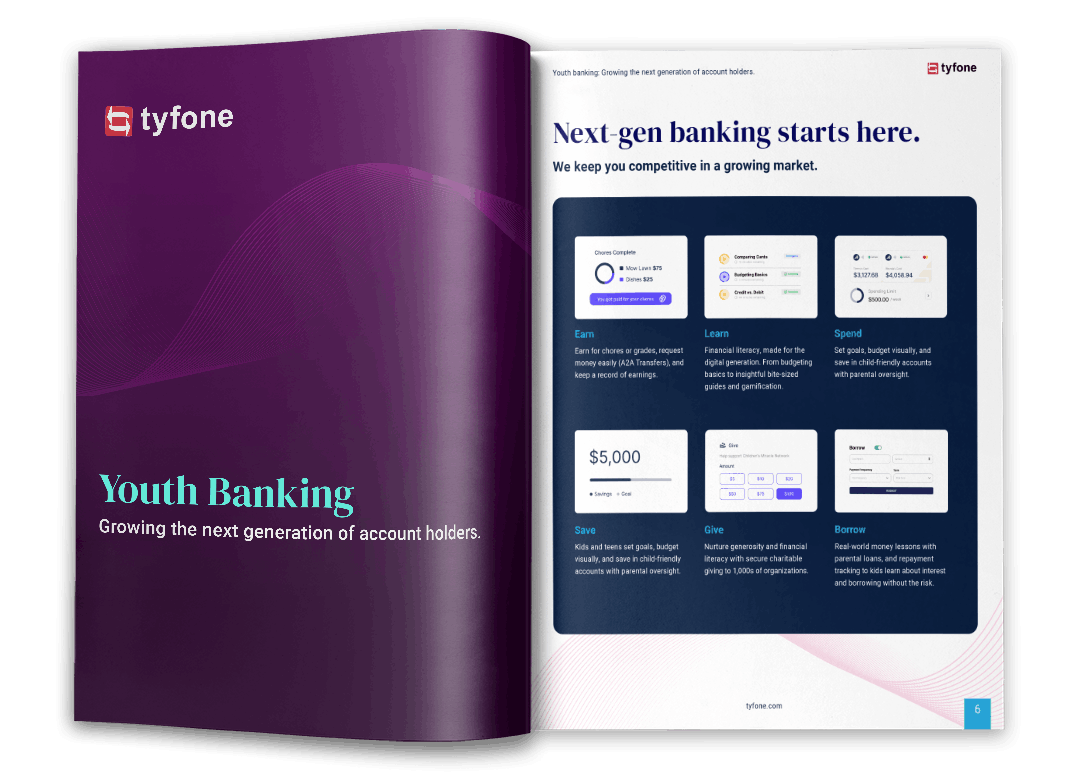
FREE PAMPHLET
Youth banking: Growing the next generation of account holders.
Financial habits are formed early, but most financial tools are designed for adults. As a result, families often rely on cash, shared cards, or disconnected apps to teach money management, making it difficult to balance independence with oversight.
At the same time, younger generations expect intuitive digital experiences, creating a gap between how they interact with money and how financial services are delivered. Financial institutions need age-appropriate solutions that engage younger account holders while supporting parents and caregivers.
Psyllos said the merger would allow the combined institution to invest in people, technology and communities while maintaining the personal service that has defined both organizations.
“We have an opportunity to create something truly special: a stronger, more capable community bank that preserves the personal relationships, accessibility and local decision-making our clients value while providing the broader resources they need to grow,” he said.
American Community Bank President and Chief Executive Anthony Capobianco described the transaction as a natural fit, citing the cultural similarities between the two institutions.
“Our clients will continue to work with the bankers they know and trust while gaining access to a broader branch network, enhanced digital capabilities, greater lending capacity and a more comprehensive suite of financial solutions,” Capobianco said.
Upon completion of the transaction, Psyllos will remain president and chief executive of Alma Bank. Capobianco is expected to join Alma Bank as senior executive vice president and a member of its board of directors, while Aldo Verrelli, chairman of American Community Bancorp Inc., is also expected to join Alma Bank’s board, subject to regulatory and corporate approvals.
Alma Bank, founded in New York and headquartered in Long Island City, has approximately $1.6 billion in assets and operates 13 full-service branches throughout the metropolitan area. American Community Bank, based in Glen Cove on Long Island, has more than $300 million in assets and six full-service branches.
The combined bank will establish a particularly strong presence along the Queens-Long Island corridor while maintaining offices throughout New York City and northern New Jersey. Executives said customers should benefit from expanded lending capacity, enhanced treasury and cash management services, broader access to wealth management professionals and continued investment in digital banking technology.
Until the transaction closes, both institutions will continue operating independently, with customers conducting business through their existing branches and relationship managers.
The merger comes as community banks continue weighing consolidation as a way to gain operational scale, expand geographic reach and spread technology investments across a larger customer base.
“We have an opportunity to create something truly special: a stronger, more capable community bank that preserves the personal relationships, accessibility and local decision-making our clients value while providing the broader resources they need to grow.”
– Michael Psyllos
President & CEO
Alma Bank
Ken McCarthy is manager of marketing communications at Tyfone, where he monitors the credit union industry and contributes to conversations shaping its future. He previously covered credit unions and community banking for American Banker and S&P Global Market Intelligence. He holds a journalism degree from Point Park University and has more than 15 years of experience covering financial services. He is also the author of three literary fiction novels.