
Ohio clears path for Interra’s bank deal.
State regulators say the proposed acquisition of Hicksville Bank by Interra Credit Union is not unsafe or unsound, despite opposition from Ohio’s banking industry.
Ohio regulators have cleared a significant hurdle for Interra Credit Union’s proposed acquisition of Hicksville Bank, finding no basis to conclude that the transaction would be unsafe or unsound and affirming that Ohio law permits credit unions to acquire bank assets.
The decision by the Ohio Division of Financial Institutions does not represent final approval of the deal. But it removes one of the central regulatory objections raised in the dispute and sets the stage for the nearly $2 billion-asset credit union, based in Goshen, Ind., to continue pursuing the acquisition of the small community bank in northwest Ohio.
In a letter dated Aug. 12, Ingrid E. White, interim superintendent of the division, said regulators had reviewed materials submitted by the institutions as well as public and confidential supervisory information. The division concluded there was no basis to determine that the proposed transaction was unsafe or unsound.
The letter also addressed one issue that had drawn particular attention: Interra’s use of private share insurance through American Share Insurance, an Ohio-based company regulated by the state.
The division said private share insurance was not inherently unsafe or unsound and pointed to Ohio law authorizing and regulating the arrangement. It said it did not object to Hicksville Bank’s use of a statutory parity authority to pursue the transaction and was not prohibiting the deal on safety-and-soundness grounds, while reserving its rights on other aspects of the transaction.
Paul Mercer, president of the Ohio Credit Union League, called the decision a victory for Hicksville and its residents.
Story continued below…
FREE PAMPHLET
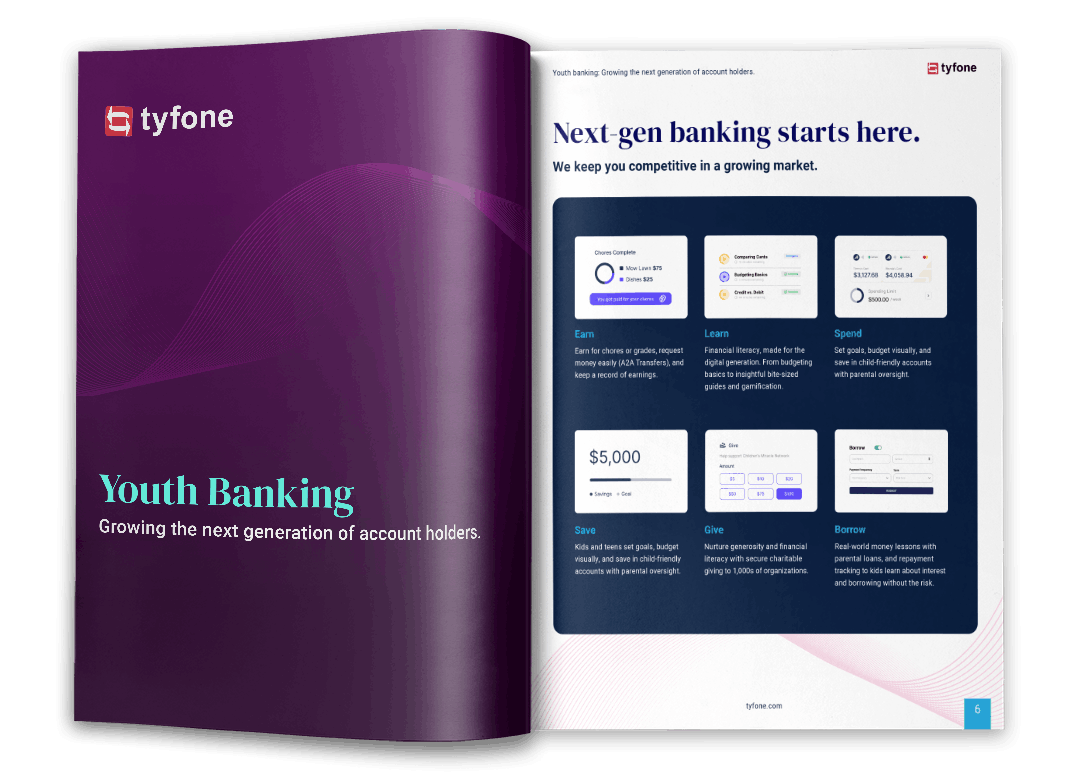
Youth banking: Growing the next generation of account holders.
Financial habits are formed early, but most financial tools are designed for adults. As a result, families often rely on cash, shared cards, or disconnected apps to teach money management, making it difficult to balance independence with oversight.
At the same time, younger generations expect intuitive digital experiences, creating a gap between how they interact with money and how financial services are delivered. Financial institutions need age-appropriate solutions that engage younger account holders while supporting parents and caregivers.
“The decision from ODFI represents a meaningful win for the community of Hicksville and for local residents,” Mercer said. He said Interra would maintain financial services and community investment, preserve jobs and keep members’ money local.
Mercer also criticized the Ohio Bankers League, which has opposed the transaction and said it was prepared to challenge it through regulatory action, legislation and, if necessary, litigation. The bankers group has characterized the state’s decision as an improper effort to clear the way for the deal.
“The fact that the Bank Lobby in Columbus has already decided to resort to attacks on impartial decision makers only underscores the weakness of their position,” Mercer said.
The dispute is part of a larger fight over the growing number of deals in which credit unions acquire banks or bank assets. Credit unions, which are exempt from federal income taxes, have increasingly expanded into traditional banking territory through such transactions, prompting objections from parts of the banking industry.
Interra and Hicksville announced their agreement on April 29. The transaction is an all-cash deal, though the financial terms were not disclosed. It remains subject to final regulatory approval and customary closing conditions.
The proposed sale was voluntary. Hicksville Bank’s board chose to pursue the transaction after determining that its shareholders would benefit from the deal, according to the Ohio Credit Union League.
Mercer also pointed to an Ohio precedent. In 2019, an Ohio credit union purchased assets of United Fidelity Bank, including deposits, assets and employees, in a transaction approved by state regulators.
The Hicksville transaction would similarly preserve a local financial institution while changing its ownership structure, according to the league. Mercer said current customers would continue to have access to financial services, while the community would retain jobs and a locally focused institution.
For Interra, the deal would extend its reach beyond its Indiana base into northwest Ohio. The credit union has nearly $2 billion in assets and is headquartered in Goshen.
The Ohio Bankers League has argued that the issue goes beyond a single community bank. Its opposition reflects a broader concern among banks about credit unions using their tax-advantaged structure to expand through acquisitions.
The league has said it would use every available avenue to challenge the transaction. The Ohio Credit Union League, meanwhile, has argued that such purchases are legal under state law and has maintained that the Hicksville deal falls within established regulatory authority.
The latest decision does not settle that broader debate. It does, however, leave the transaction moving forward after Ohio’s financial regulator determined that the proposed sale does not present the safety-and-soundness problem that opponents had raised.
For Hicksville, the question now is whether the remaining regulatory and closing steps can be completed without the fight over credit union acquisitions becoming another obstacle to the deal.
“The decision from ODFI represents a meaningful win for the community of Hicksville and for local residents.”
– Paul Mercer
President
The Ohio Credit Union League
Ken McCarthy is manager of marketing communications at Tyfone, where he monitors the credit union industry and contributes to conversations shaping its future. He previously covered credit unions and community banking for American Banker and S&P Global Market Intelligence. He holds a journalism degree from Point Park University and has more than 15 years of experience covering financial services. He is also the author of three literary fiction novels.