
Stop fighting each other: How the “big vs. small” CU divide is playing into bankers’ hands.

The credit union movement was built on cooperation. Not competition. Not comparison. Cooperation. And if we want this movement to stay strong, we need to say something plainly: dividing ourselves into “large” and “small” credit unions is a mistake.
Division Is Exactly What Bankers Want
Let’s be honest, internal division is a gift to the banking industry. If we spend our time arguing with each other, advocating against the movement, or somehow believing that once a credit union crosses the “$1 billion, $5 billion, or $50 billion threshold,” we are different, we are no longer focused on serving members or advancing the cooperative model. Bankers benefit when we are distracted, fragmented, and busy fighting over size instead of fighting for our mission.
How Bankers Use Size to Divide Us
Bankers have figured out that the way to weaken the credit union movement is to divide us. They’ve started framing large credit unions as “too big” and small credit unions as “too weak,” hoping we all turn inward instead of standing together. They know that if we start questioning each other’s legitimacy based on asset size, we’ll spend our energy defending ourselves instead of defending our members. This tactic isn’t subtle; it’s strategic. Spend two minutes on LinkedIn to see that it is working!
Small Credit Unions Are Essential
Small credit unions are not outdated. They are not just “nice to have.” They are essential, serving communities that larger institutions often overlook. Building trust one member at a time. They keep the cooperative spirit alive at the local level. Without them, the movement loses its roots.
Large Credit Unions Are Essential Too
This does not mean that large credit unions are not the enemy. They bring scale, technology, and visibility to the movement. They prove that the cooperative financial model can and does compete beyond “Main Street”. Without them, the movement loses its reach.
Story continued below…
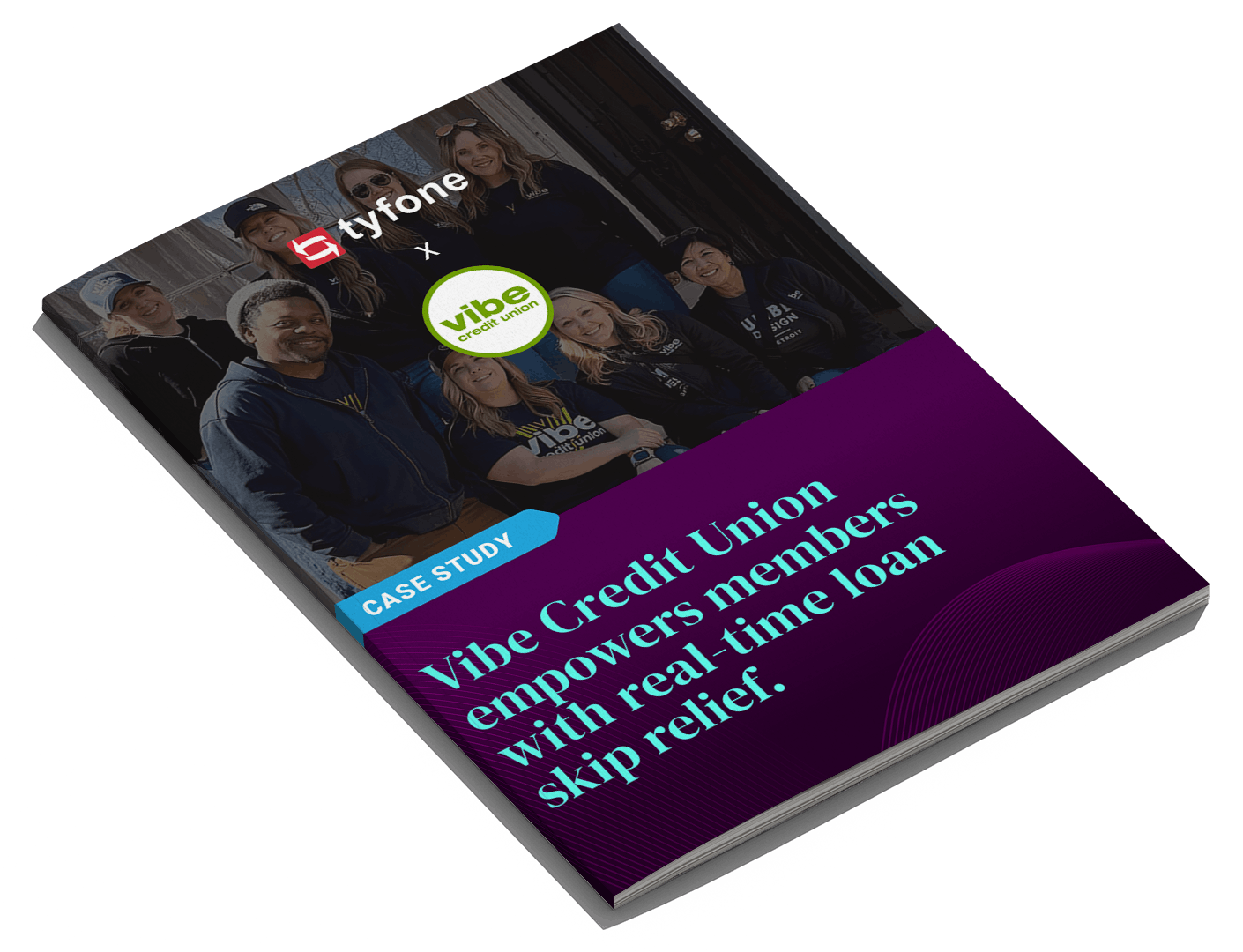
FREE CASE STUDY
Vibe Credit Union empowers members with real-time loan skip relief.
To meet growing demand for faster, more convenient digital options, Vibe partnered with Tyfone to implement a Skip-A-Pay solution. Members can skip eligible loans online, while staff can assist those who prefer to call or visit branches using the same system. The result is a self-service loan skip program that supports members year-round, improves internal efficiency, and has generated over $100,000 in annual revenue without impacting credit scores.
Read our exclusive case study and learn how they elevated their digital banking and loan servicing experience.
This Is Not a Zero‑Sum Game
When small credit unions thrive, the movement stays grounded. When large credit unions thrive, the movement remains relevant. Isn’t this what we are all working day in and day out for?
The Real Risk Is Internal Division
The financial services industry is changing fast. New competitors, new technologies, new expectations. The last thing we can afford is to turn on each other. Every minute spent arguing about size is a minute not spent serving members or strengthening the cooperative model.
Cooperation Must Become More Than a Slogan
If we truly believe in the foundation of the credit union movement, cooperation, then I call on each one of us to act and start now!
- Large credit unions support smaller ones through shared services, mentorship, and advocacy.
- Small credit unions, share your stories. Share your expertise in community connection and member loyalty.
- All of us should stand together on policy issues that affect the movement.
One Movement. One Mission.
The size of a credit union does not determine its value. Its impact does. And every credit union brings something vital to the table.
If we stay united, we stay strong. If we divide ourselves, we weaken the very foundation that makes credit unions different. The cooperative movement works only when we work together.
Based in Grand Blanc, Michigan, Dort Financial has $2.3 billion of assets and 120,000 members.
Disclaimer
The views, opinions, and perspectives expressed in articles and other content published on this website are those of the respective authors and do NOT necessarily reflect the views or official policies of Tyfone and affiliates. While we strive to provide a platform for open dialogue and a range of perspectives, we do NOT endorse or subscribe to any specific viewpoints presented by individual contributors. Readers are encouraged to consider these viewpoints as personal opinions and conduct their own research when forming conclusions. We welcome a rich exchange of ideas and invite op-ed contributions that foster thoughtful discussion.