
The Supreme Court just rewrote the rules for the NCUA.

The much-anticipated Supreme Court decision in the Slaughter v. Trump case was released.
The Court agreed that the President has the authority to fire Board members at federal agencies, which were once thought of as independent. While the case that former NCUA Board members Todd Harper and Tonya Otsuka brought is still active, the Supreme Court decision severely impacts their legal argument. The Court agreed that the president has the authority to remove federal regulatory Board members at will rather than for cause, therefore it is expected that the DC Circuit Court of Appeals will reject their lawsuit.
For Harper and Otsuka, the result of this Supreme Court decision is evident…they are out of a job and most likely out of legal options. However, the bigger question is what does this mean for the NCUA Board moving forward? The immediate impact is that the White House can now nominate two more Board members to fill the openings created by the Harper and Otsuka dismissals. Until the Court made a final decision, the White House could not risk naming two Board members and having the Court deny their ability to fire independent agency directors.
That would have resulted in five Board members and only three openings. Since the Court agreed with the White House, this opens the door to two more Board members joining NCUA.
What type of candidate would be willing to serve on the NCUA Board? The longstanding legal protections that have insulated Board members of “independent” agencies has been stripped away, so the list of candidates will most likely shrink.
For example, if one knows that they could be fired from the job without cause, would they be willing to give up an established job or move to the Washington DC area? Prior to the Slaughter case, Board members would know the length of their term. Now, that can change at a moment’s notice if the White House so chooses. Potential Board members must balance the desire to serve at NCUA with the knowledge that the length of their time there might be short.
FREE PAMPHLET
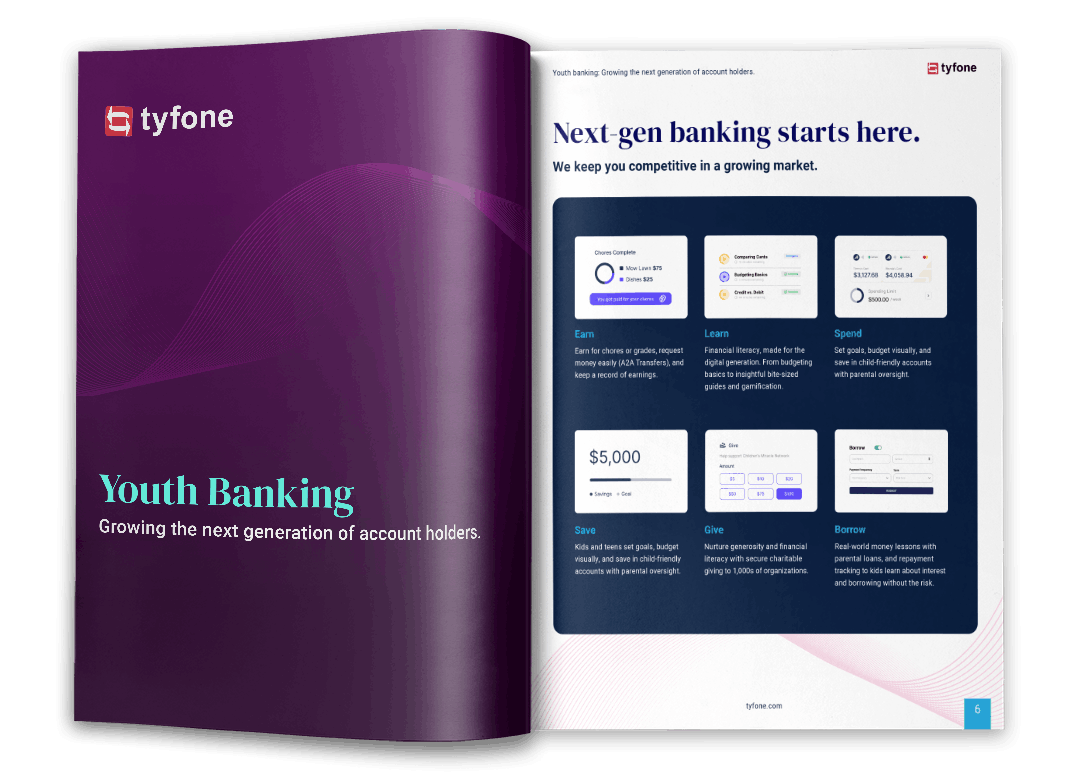
Youth banking: Growing the next generation of account holders.
Financial habits are formed early, but most financial tools are designed for adults. As a result, families often rely on cash, shared cards, or disconnected apps to teach money management, making it difficult to balance independence with oversight.
At the same time, younger generations expect intuitive digital experiences, creating a gap between how they interact with money and how financial services are delivered. Financial institutions need age-appropriate solutions that engage younger account holders while supporting parents and caregivers.
The first NCUA Board member that might be affected by this ruling could be the next Chairman, John Crews. Nominated earlier in the year, Crews had his confirmation hearing on June 25th. Crews said he would pursue the same course as current Chair Kyle Hauptman; this includes reducing regulatory burden on all credit unions – with a focus on smaller credit unions – increasing technological innovation and increasing the number of new credit unions. Crews’ previous time as a Senate staff person and as undersecretary at Treasury bodes well for a speedy confirmation.
Once confirmed, Crews’ term would “end” in 2031. The quotes are used because if a Democrat were to win the White House in 2028, the assumption is that all Republican appointees would be fired, much like the Democrats were fired last year.
The resulting whipsaw effect would mean that the NCUA Board may often consist of just one Board member as it has since April 2025. According to a former NCUA staff person, the constant changeover means that the staff will have increased influence since Board members won’t have as much of a chance to grow into the job. This will impact policy, new charters and the general tenor of the agency and its examiners.
Once Crews is confirmed, Kyle Hauptman can (finally) take his spot at the Public Company Accounting Oversight Board (PCAOB). Hauptman did an outstanding job in a tough situation and credit unions owe him a big thank you.
Geoff Bacino is a credit union consultant and former board member of the National Credit Union Administration.
Disclaimer
The views, opinions, and perspectives expressed in articles and other content published on this website are those of the respective authors and do NOT necessarily reflect the views or official policies of Tyfone and affiliates. While we strive to provide a platform for open dialogue and a range of perspectives, we do NOT endorse or subscribe to any specific viewpoints presented by individual contributors. Readers are encouraged to consider these viewpoints as personal opinions and conduct their own research when forming conclusions. We welcome a rich exchange of ideas and invite op-ed contributions that foster thoughtful discussion.