
Your wealthiest customers are already leaving — you just haven’t noticed.

For many community banks, growing noninterest income has become a strategic priority. Deposit competition is intense, margins remain under pressure, and technology costs keep rising. At the same time, community banks have something many larger institutions lack; trusted, long-term relationships with local businesses, professionals, and families.
That creates a real opportunity in wealth management. But for most banks under $1 billion in assets, the answer is not to build a full investment platform from scratch. The better approach is to partner with an established wealth management firm.
Done well, that model can generate recurring fee income, deepen customer loyalty, and strengthen commercial banking relationships without the cost and complexity of building an advisory business internally.
Think relationship management, not investment management.
Many bank leaders assume wealth management means hiring advisors, building compliance infrastructure, and managing portfolios. In reality, a community bank does not need to become an investment manager.
Instead, it should become the trusted financial coordinator.
The bank keeps the primary relationship while partnering with professionals who provide portfolio management, financial planning, trust administration, and investment expertise. The bank remains the face of the relationship; the wealth partner provides the specialized capabilities.
Start with existing customers.
Most community banks already serve ideal wealth management prospects.
These often include business owners, physicians and attorneys, farmers, retirees, commercial real estate investors, high-net-worth depositors, and families preparing for wealth transfer.
Be proactive in advising clients rather than allowing other firms to assume the role and acquire a key stake in these long-term relationships.
Commercial banking is the natural starting point.
A business owner may already rely on the bank for operating accounts, treasury management, commercial loans, equipment financing, and merchant services. That same customer may also need retirement planning, business succession planning, investment management, trust and estate planning, liquidity planning after a business sale, or executive compensation strategies.
These needs naturally complement commercial banking. Instead of treating lending and wealth as separate businesses, community banks should view them as part of one relationship strategy.
Story continued below…
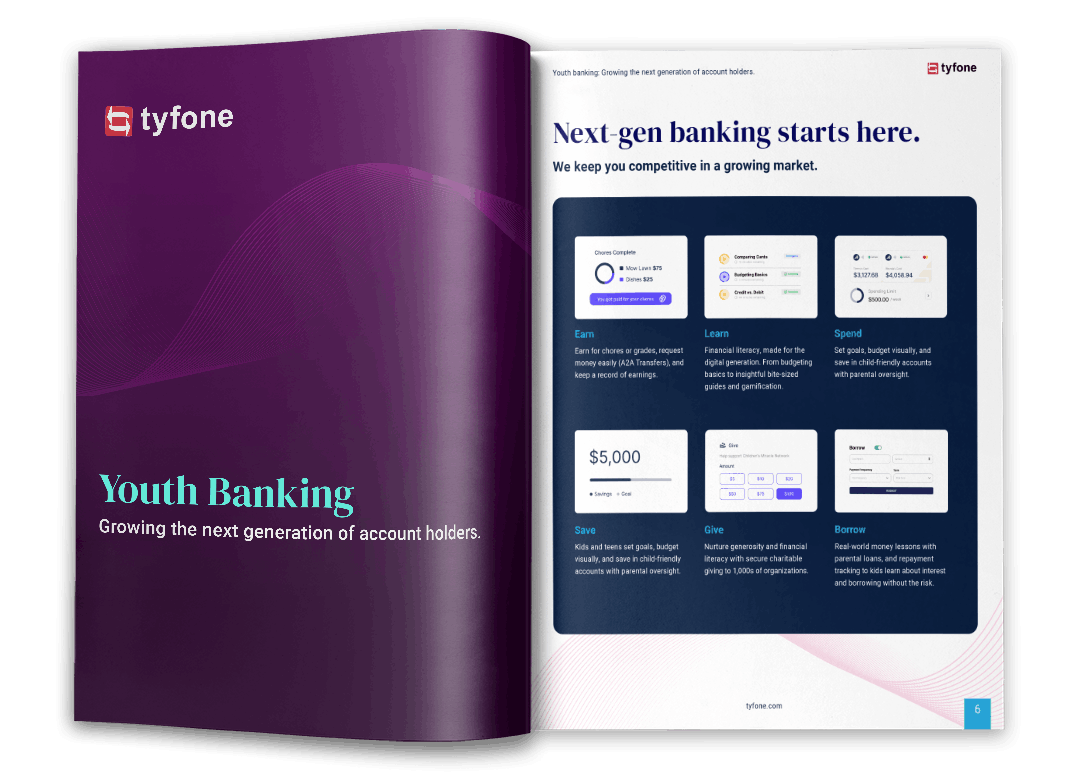
FREE PAMPHLET
Youth banking: Growing the next generation of account holders.
Financial habits are formed early, but most financial tools are designed for adults. As a result, families often rely on cash, shared cards, or disconnected apps to teach money management, making it difficult to balance independence with oversight.
At the same time, younger generations expect intuitive digital experiences, creating a gap between how they interact with money and how financial services are delivered. Financial institutions need age-appropriate solutions that engage younger account holders while supporting parents and caregivers.
One wealth relationship manager can make the difference.
A community bank does not need a team of advisors. It can start with one experienced Wealth Relationship Manager whose role is to support commercial lenders by meeting with customers, identifying planning opportunities, and coordinating introductions to the wealth partner.
This person acts as the bridge between banking and wealth management. The role is less about selling products and more about connecting clients to the right experts at the right time.
Build a referral culture.
Every commercial lender and retail banker should know when to introduce wealth services.
Common referral triggers include business owners nearing retirement, customers with large deposit balances, a pending business sale, inheritance or estate settlement, major liquidity events, and commercial borrowers with significant personal assets.
The goal is not to turn bankers into financial advisors. Their job is simply to recognize opportunities and make warm introductions.
Select the right wealth partner.
Choosing the right partner is critical.
An ideal wealth partner should offer investment management, financial planning, trust and estate services, retirement plan expertise, strong compliance support, technology integration, and a collaborative, relationship-first approach.
Most importantly, the partner must respect the bank’s role as the primary relationship owner. Customers should feel they are receiving expanded service, not being handed off to a third party.
Revenue beyond advisory fees.
The financial benefits go beyond investment management revenue.
A successful partnership can produce referral income, revenue sharing on advisory services, trust administration revenue, retirement plan consulting income, insurance referral opportunities, increased treasury management relationships, higher deposit retention, and larger commercial lending relationships.
Just as important, the bank is less likely to lose assets after a liquidity event such as a business sale or inheritance. Instead of watching those funds move to a national brokerage, the bank stays involved in the client’s long-term financial life.
A practical roadmap.
Community banks can begin with a simple plan:
- Identify commercial and retail customers with meaningful wealth planning needs.
- Select a wealth partner whose culture aligns with the bank’s relationship model.
- Designate or hire a Wealth Relationship Manager.
- Train bankers to recognize referral opportunities.
- Hold joint meetings with customers and the wealth partner.
- Track referrals, conversions, and fee income with the same discipline used for loans and deposits.
The opportunity ahead.
Community banks have always competed on relationships, not product breadth. Wealth management is simply an extension of that strength.
By partnering with an experienced wealth management firm, a community bank can offer sophisticated financial planning without building a costly investment operation. It can diversify revenue, strengthen commercial relationships, retain valuable deposits, and become a more indispensable advisor to business owners and affluent families.
In a tighter, more competitive banking environment, retaining the lead in relationship management may be the smart move.
Columbus, Ohio-based Visible Progress is a community bank and credit union consultancy helping financial institutions to create and implement strategies that bring daily, visible results.
Disclaimer
The views, opinions, and perspectives expressed in articles and other content published on this website are those of the respective authors and do NOT necessarily reflect the views or official policies of Tyfone and affiliates. While we strive to provide a platform for open dialogue and a range of perspectives, we do NOT endorse or subscribe to any specific viewpoints presented by individual contributors. Readers are encouraged to consider these viewpoints as personal opinions and conduct their own research when forming conclusions. We welcome a rich exchange of ideas and invite op-ed contributions that foster thoughtful discussion.