
Crypto accounting is changing. Here’s what lenders need to know.
In this op-ed, Patrick McClellan of Wolf & Company examines FASB’s proposed guidance for crypto lending, including the treatment of loaned digital assets, stablecoin exclusions, deferred liquidity-pool guidance and new disclosure requirements — and what organizations should consider as the accounting framework evolves.

The accounting landscape for crypto assets continues to mature, and on August 19, 2026, the Financial Accounting Standards Board (FASB) voted to propose new guidance addressing the accounting treatment of crypto assets that are transferred but expected to be returned, most notably in crypto lending arrangements.
By addressing an area not currently covered by specific U.S. Generally Accepted Accounting Principles (GAAP) guidance, the proposal aims to establish a more consistent accounting framework for these transactions and reduce the diversity in practice that has emerged across the industry.
4 Key Takeaways from the FASB’s Proposed Guidance
- Loaned crypto assets remain on the lender’s balance sheet: Under the proposed guidance, crypto assets lent to another party would generally remain recognized on the lender’s balance sheet rather than being derecognized. These assets would be classified as encumbered and continue to be measured at fair value, with consideration given to the borrower’s credit risk. This approach is intended to more accurately reflect the economic substance of crypto lending transactions.
- Stablecoins & certain digital assets excluded: Digital assets that already qualify as financial assets under existing accounting standards, including certain stablecoins, would continue to follow existing transfer accounting rules rather than the proposed crypto-specific guidance. This distinction is intended to maintain consistency with established accounting frameworks and avoid overlap with existing standards.
- Liquidity pool guidance deferred: The FASB did not reach a conclusion on the accounting treatment for tokens deposited in decentralized liquidity pools. Instead, the Board plans to gather additional stakeholder feedback before developing and proposing specific guidance. This approach reflects the complexity of these arrangements and the need for further evaluation.
- Disclosure requirements: Companies would be required to separately disclose crypto assets that are loaned, encumbered, or otherwise subject to restrictions. These enhanced disclosure requirements are intended to improve transparency and provide financial statement users with greater visibility into an entity’s crypto asset activities, exposure, and related risks.
Story continued below…
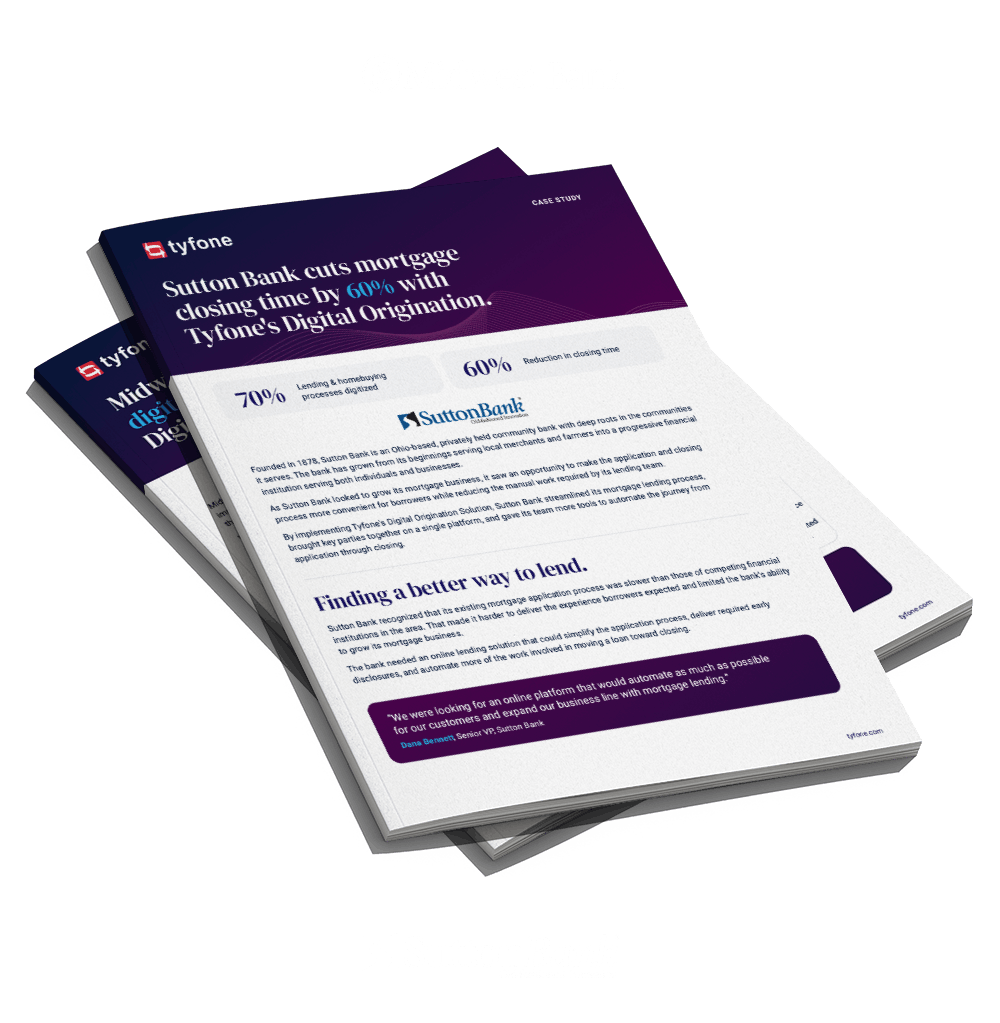
FREE CASE STUDIES
Borrowers expect speed. Your lending process should deliver.
Borrowers want answers fast. No waiting. No paperwork. No unnecessary back-and-forth. Manual processes and disconnected systems make lending harder, slowing decisions, adding work for staff, and creating friction at every step.
Tyfone makes lending faster and simpler with a flexible, white-label experience built around your policies. From application to funding, give borrowers a seamless experience across digital and in-branch channels.
Preparing for Potential Changes in Crypto Lending Accounting
This proposal marks another step toward a more comprehensive accounting framework for digital assets and greater consistency in accounting practices across the industry. If finalized, entities that lend crypto assets would generally continue to recognize those assets on their balance sheets, classify them as encumbered, and provide enhanced disclosures about their lending activities and related risks. The guidance is expected to have the greatest impact on crypto exchanges, custodians, lending platforms, investment funds, and other organizations involved in crypto lending transactions.
Following the FASB Board’s approval of the proposed direction, staff will prepare and issue a formal exposure draft for public comment. Stakeholders will have 60 days to provide feedback before the Board considers a final standard. If adopted, entities would be required to apply a modified transition approach and reassess existing crypto asset holdings and lending arrangements as of the effective date.
Organizations involved in crypto lending should evaluate how the proposed guidance may affect their accounting and disclosure requirements. Wolf‘s Digital Assets Team can help assess the impact of these changes and prepare for implementation.
Patrick McClellan is a Manager in Wolf’s Assurance group, where he delivers tailored audit solutions and leads and supervises audit teams. He orchestrates comprehensive audit engagements from planning through completion, developing strategic work programs, preparing and reviewing work papers, and analyzing financial statements and data.
Patrick is a member of Wolf’s Digital Asset and Blockchain team. He has over 5 years of experience at Wolf, specializing in audits for various privately held and publicly traded digital asset and technology companies, including cryptocurrency exchange platforms, validator networks, and wallet providers.
Disclaimer
The views, opinions, and perspectives expressed in articles and other content published on this website are those of the respective authors and do NOT necessarily reflect the views or official policies of Tyfone and affiliates. While we strive to provide a platform for open dialogue and a range of perspectives, we do NOT endorse or subscribe to any specific viewpoints presented by individual contributors. Readers are encouraged to consider these viewpoints as personal opinions and conduct their own research when forming conclusions. We welcome a rich exchange of ideas and invite op-ed contributions that foster thoughtful discussion.